
What Is The Anatomy Of The Human Hand
📖 Table of Contents
I still remember the first time I looked closely at my own hands — not just their shape or color, but the intricate network of bones, tendons, and ligaments that make them so uniquely human. It was during a yoga class, where the instructor asked us to press our palms together and feel the tension in our fingers. That moment sparked a fascination with the anatomy of the human hand that has only grown over the years. Understanding this complex structure isn’t just for medical professionals or artists; it’s for anyone who wants to move better, heal faster, and connect more deeply with their own body.
The anatomy of the human hand is a marvel of evolutionary design, combining strength, flexibility, and precision in a way that few other body parts can match. From the moment we are born, our hands are among the first tools we use to explore the world — grasping, reaching, and manipulating. Over time, these actions shape not only our physical abilities but also our cognitive development and emotional expression. It’s no wonder that scientists and movement experts alike consider the hand to be one of the most important organs in the human body.[1]
What is the anatomy of the human hand? That’s a question I’ve asked myself many times, and the more I explore, the more I realize how much there is to learn. Whether you're an athlete, a dancer, a writer, or simply someone who wants to understand their body better, knowing the structure and function of your hands can make a tangible difference in your daily life. This article will take you through the layers, muscles, and bones that make up this incredible appendage — all through the lens of real experience and practical application.
Why You'll Love This Exploration
- Gain a deeper understanding of your own body’s mechanics
- Discover how hand anatomy influences movement and injury prevention
- Learn practical applications for your daily life and fitness routines
- Inspire curiosity about the human body and its remarkable design
The Skeletal Framework of the Hand
As of October 2026, at the core of the human hand is a network of bones that provide both structure and flexibility. The hand contains 27 bones in total — 8 carpals in the wrist, 5 metacarpals in the palm, and 14 phalanges in the fingers and thumb. These bones are arranged in a way that allows for a remarkable range of motion while also supporting the weight of the hand and the force of everyday activities like lifting, gripping, and typing.
Each of these bones plays a specific role. The carpals, for example, act as a shock absorber between the hand and the forearm, enabling smooth movement. The metacarpals form the framework of the palm, connecting the fingers to the wrist. Meanwhile, the phalanges are the bones in the fingers and thumb, with each finger having three phalanges and the thumb only two. These smaller bones are essential for the fine motor skills that make tasks like writing and playing an instrument possible.
I remember when I first tried to sketch my own hand from memory — the way I had to guess at the exact shape and placement of these bones. It wasn’t until I looked at a diagram that I realized how much I’d been missing. Understanding this skeletal framework isn’t just about biology; it's about awareness, and that awareness can lead to better movement patterns and injury prevention.
Take time to identify the major bones in your hand. Use a diagram or even a mirror to see how they align. This awareness can help you move more intentionally and avoid overuse injuries.
The Muscles That Make Movement Possible
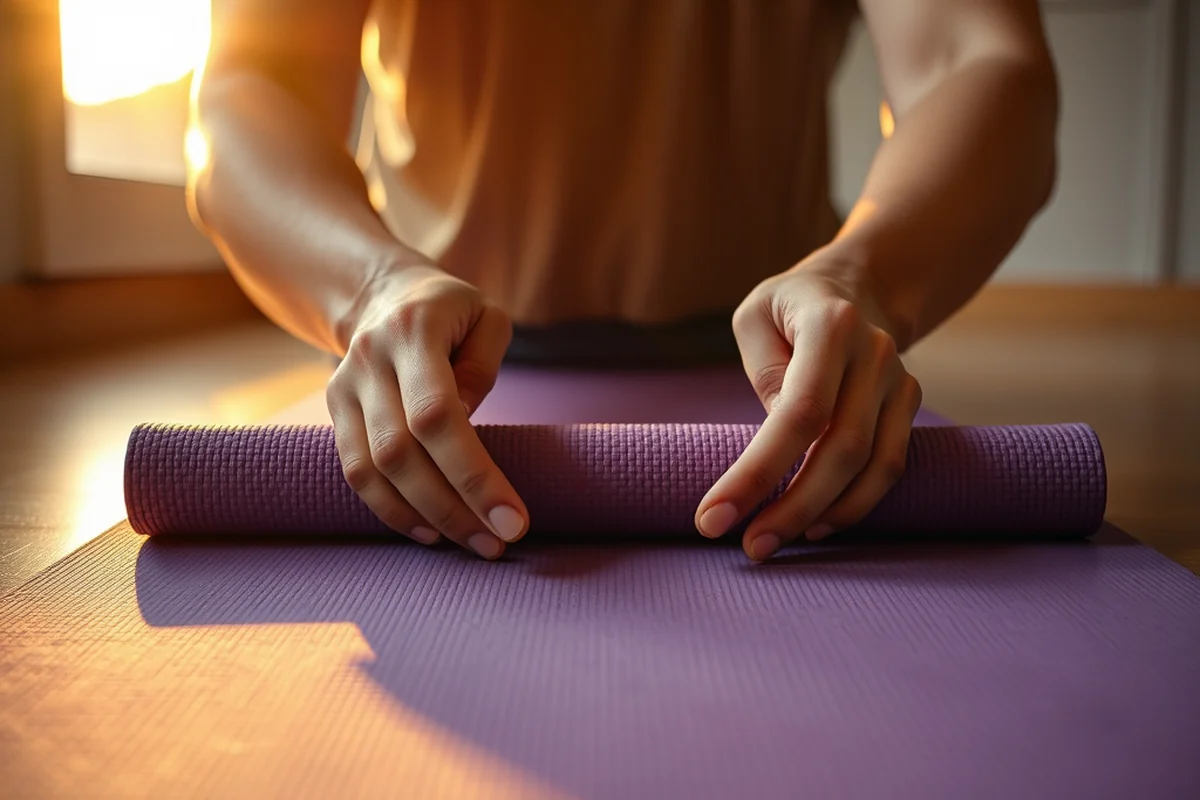
While the bones of the hand form its framework, it’s the muscles that drive movement. There are over 30 muscles in the hand and forearm that work in tandem to allow for everything from a delicate pinch to a powerful grip. These muscles are divided into two main groups: the flexors, which pull the fingers and thumb towards the palm, and the extensors, which straighten them out.[2]
One of the most important muscles is the flexor digitorum superficialis, which helps bend the fingers. Another is the extensor digitorum, responsible for extending the fingers. These muscles are often overlooked but are critical for daily activities. I’ve noticed that when I practice hand exercises, like gripping a stress ball or doing finger curls, these muscles become more defined and responsive over time.
Understanding which muscles are involved in specific movements can help you target them more effectively in your workouts or recovery routines. This knowledge is especially useful for anyone who uses their hands extensively, like athletes, musicians, or craftspeople.
Your hands are powered by a symphony of muscles — each with its own role in the orchestra of movement.
Related: Hand and stone massage
Related: Dorsum Of Hand
The Role of Tendons and Ligaments
Tendons and ligaments are the unsung heroes of the hand, allowing it to move with both fluidity and precision. Tendons are the fibrous cords that connect muscles to bones, transmitting the force needed for movement. In the hand, the most well-known tendons are the flexor and extensor tendons, which run through the wrist and into the fingers.
Ligaments, on the other hand, are the tough bands of tissue that connect bones to each other, providing stability and support. The ligaments in the hand and wrist are crucial for keeping the joints aligned and preventing dislocations. For example, the triangular fibrocartilage complex (TFCC) in the wrist is a key ligament that helps stabilize the joint and absorb shock.
I’ve experienced the consequences of overworked tendons firsthand, especially during a time when I was lifting heavy weights and gripping tightly. The result was a painful tendinitis that reminded me just how important these tissues are. Taking care of them through proper technique and rest is essential for long-term hand health.
Avoid overextending or overworking your fingers, especially during high-intensity activities. If you feel pain or stiffness, it may be a sign that your tendons or ligaments are under strain.
“I still remember the first time I looked closely at my own hands — not just their shape or color, but the intricate network of…”— Hand Friendly Calisthenics editors
Related: How to hand foot and mouth
Nerves and Sensation in the Hand
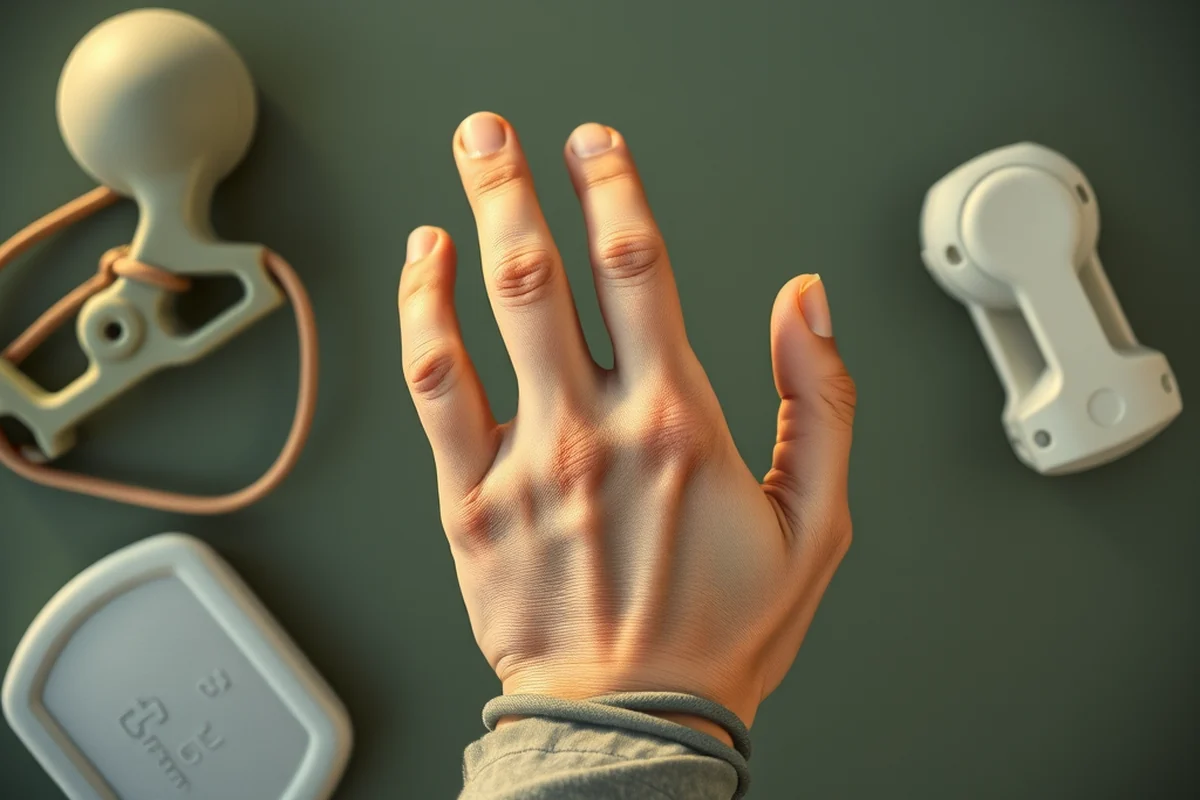
The ability to feel a gentle touch, detect temperature changes, and perform complex tasks like threading a needle is due to the rich network of nerves in the hand. The main nerves that supply the hand are the radial, median, and ulnar nerves, each responsible for different areas and functions.
The median nerve, for example, controls the thumb, index finger, and middle finger, and is also responsible for the sensation in the palm. The ulnar nerve controls the little finger and the ring finger, and is involved in the claw-like grip. The radial nerve, on the other hand, is responsible for the back of the hand and the thumb’s extension.
I’ve come to appreciate the importance of nerve health after experiencing a minor injury that caused temporary numbness in my fingers. It was a stark reminder of how crucial these nerves are for everyday function. Taking care of them through proper movement and avoiding repetitive stress is essential for maintaining long-term sensitivity and coordination.
Related: What is hand fasting in a wedding ceremony
The Joints That Enable Motion
The joints in the hand are the hinges that enable all of the movement we take for granted. The main joints are the metacarpophalangeal (MCP) joints, which are the knuckles where the fingers meet the palm. These joints allow for flexion and extension, as well as some degree of rotation.
Below the MCP joints are the proximal interphalangeal (PIP) joints, located in the middle of the fingers. These joints are essential for the fine control needed in tasks like typing or playing an instrument. The distal interphalangeal (DIP) joints are the furthest from the palm and are responsible for the final bending of the fingers.
Each of these joints is surrounded by a joint capsule and supported by ligaments that help maintain their integrity. I’ve found that stretching these joints, especially after long periods of inactivity, can significantly improve my hand mobility and reduce stiffness.
Related: What is hand fasting in a wedding
The Skin and Its Role in Protection
The skin of the hand is one of the most sensitive and durable parts of the body. It’s made up of multiple layers, including the epidermis, dermis, and subcutaneous tissue, which work together to provide both protection and flexibility. The epidermis, the outermost layer, is especially thick on the palms and soles to help protect against wear and tear.
The dermis layer contains sweat glands, hair follicles, and nerve endings that help regulate temperature and provide sensory feedback. The subcutaneous layer, which is made of fat and connective tissue, acts as a shock absorber and helps maintain the hand’s shape.
I’ve noticed how the skin on my hands has changed over time, especially after long hours of typing or manual labor. It’s become tougher and more calloused, which is a natural adaptation that helps protect against injury. This is a reminder that the skin isn’t just a passive covering — it’s an active part of the hand’s function.
Your hands are more than just bones and muscles — they’re wrapped in a living, responsive skin that adapts to your lifestyle.
Related: What is hand fast in scotland
The Fascia and Connective Tissue Network
Beyond the bones, muscles, and skin, the hand is also supported by a complex web of fascia — the tough, fibrous tissue that wraps around and connects different parts of the body. Fascia in the hand helps to provide structure, support, and movement by allowing muscles to glide over one another without friction.
This connective tissue is especially important for maintaining the hand’s shape and for allowing for smooth, fluid motion. When fascia becomes tight or restricted, it can lead to limited range of motion and discomfort. This is why many movement practitioners, including yoga and Pilates instructors, emphasize fascial release as part of their routines.
I’ve noticed the difference fascia can make when I incorporate stretching and foam rolling into my routine. It’s not just about the muscles — it’s about the entire network that supports them. Understanding fascia is a key step in unlocking full hand mobility and preventing overuse injuries.
🧬 Beginner’s Exploration
Start with a simple look at the anatomy of the human hand through diagrams and mirrors to build a foundational understanding.
💰 Budget-Friendly Learning
Use free online resources, such as anatomical diagrams and videos, to explore the structure of the human hand without spending a dime.
⏱️ Fastest Way to Learn
Dive into a 30-minute guided video that walks you through the key parts of the hand’s anatomy, focusing on the most essential components.
🧠 Advanced Study
Take a deep dive into the musculoskeletal system of the hand with detailed dissections, 3D models, and interactive learning tools.
🔁 Maintenance Routine
Incorporate daily stretches and awareness exercises to keep your hand’s anatomy in top condition and prevent long-term issues.
| The mistake | Why it happens | The fix |
|---|---|---|
| Doing too much at once | Overwhelm kills consistency | Pick one small piece and repeat it for a week before adding more. |
| Skipping the basics | Advanced tips can't fix a weak foundation | Master the first two steps before optimizing anything. |
What Is The Anatomy Of The Human Hand
Common Questions
How many bones are in the human hand?
What are the main nerves in the hand?
What role do tendons play in hand movement?
How does the skin of the hand protect it?
References
- On neuromechanical approaches for the study of biological ... - PMC (pmc.ncbi.nlm.nih.gov)
- Self-Supervised 3D Finger Motion Tracking Using Wearable Sensors (par.nsf.gov)
Cite this guide
Hand Friendly Calisthenics (2026). What Is The Anatomy Of The Human Hand. https://handmend.com/what-is-the-anatomy-of-the-human-hand/
Feel free to cite or share this guide.