
Hand-Friendly Calisthenics
📖 Table of Contents
- What is Hand-Friendly Calisthenics?
- The Benefits of Hand-Friendly Training
- Choosing the Right Tools for Your Hands
- Adapting Your Workouts for Hand-Friendly Training
- The Role of Recovery in Hand-Friendly Calisthenics
- Hand-Friendly Calisthenics for Different Fitness Levels
- The Long-Term Benefits of Hand-Friendly Calisthenics
- Make It Your Way
- Frequently Asked Questions
I remember the first time I tried doing a push-up with my hands on a wooden floor — the sting was immediate, sharp, and unforgettable. It was a painful reminder that not all surfaces are kind to your palms, especially when you're new to calisthenics. That's when I started exploring hand-friendly calisthenics, a practice that protects your hands while still giving you the full-body benefits of bodyweight training. It's not just about being gentle on your hands, but also about building a sustainable, pain-free movement routine that can last a lifetime.[1]
Hand-friendly calisthenics isn't about softening the intensity of your workout. It's about smart training — using equipment, techniques, and surfaces that reduce the risk of injury and discomfort while still challenging your body. I've tested dozens of hand grips, foam pads, and even rubber mats over the years, and there's a clear difference in how they protect your hands. The goal is to build strength without sacrificing the integrity of your training, and that starts with understanding the right tools and methods.[2]
What I've learned is that hand-friendly calisthenics can be done anywhere, whether you're training at home, in a park, or at a gym. The key is knowing how to adapt your workouts to your environment and your hand’s condition. I’ve found that even the most basic movements like push-ups, pull-ups. Dips can be modified with the right approach, and I’ve seen firsthand how this can transform not just your hands, but your entire training experience.[3]
Why You'll Love This Approach to Bodyweight Training
- Protects your hands without compromising strength gains
- Reduces risk of calluses, blisters, and pain
- Allows consistent training even on rough or uneven surfaces
- Improves overall grip strength and hand resilience
What is Hand-Friendly Calisthenics?
As of October 2026, at its core, hand-friendly calisthenics is about making bodyweight training more accessible and sustainable. I first encountered this approach when I was recovering from a wrist injury and needed a way to keep training without aggravating the area. By using foam pads, rubber mats, and grip-enhancing tools, I was able to continue push-ups and dips without the usual pain. The result? I didn’t lose any strength, and my hands actually became more resilient over time.[4]
This method is especially useful for beginners who are still developing their grip strength. I’ve seen many new trainees struggle with blisters and soreness early on, but by using a simple rubber pad or even a folded towel, the impact is softened significantly. I’ve tested this myself, and within just a few weeks, my hands were less sore and more used to the pressure of training.
It’s also a great way to train on less-than-ideal surfaces. I’ve trained on concrete, asphalt, and even carpeted floors, and in each case, the right pad or mat made all the difference. I once did a full set of dips on a rough wooden bench and felt the sting immediately — but after switching to a foam grip pad, the same dips felt smooth and comfortable.
Begin with foam pads or rubber mats to see what works best for your hands and training style. Test different thicknesses and textures to find your ideal setup.
Part of our Calisthenics hand guide.
The Benefits of Hand-Friendly Training
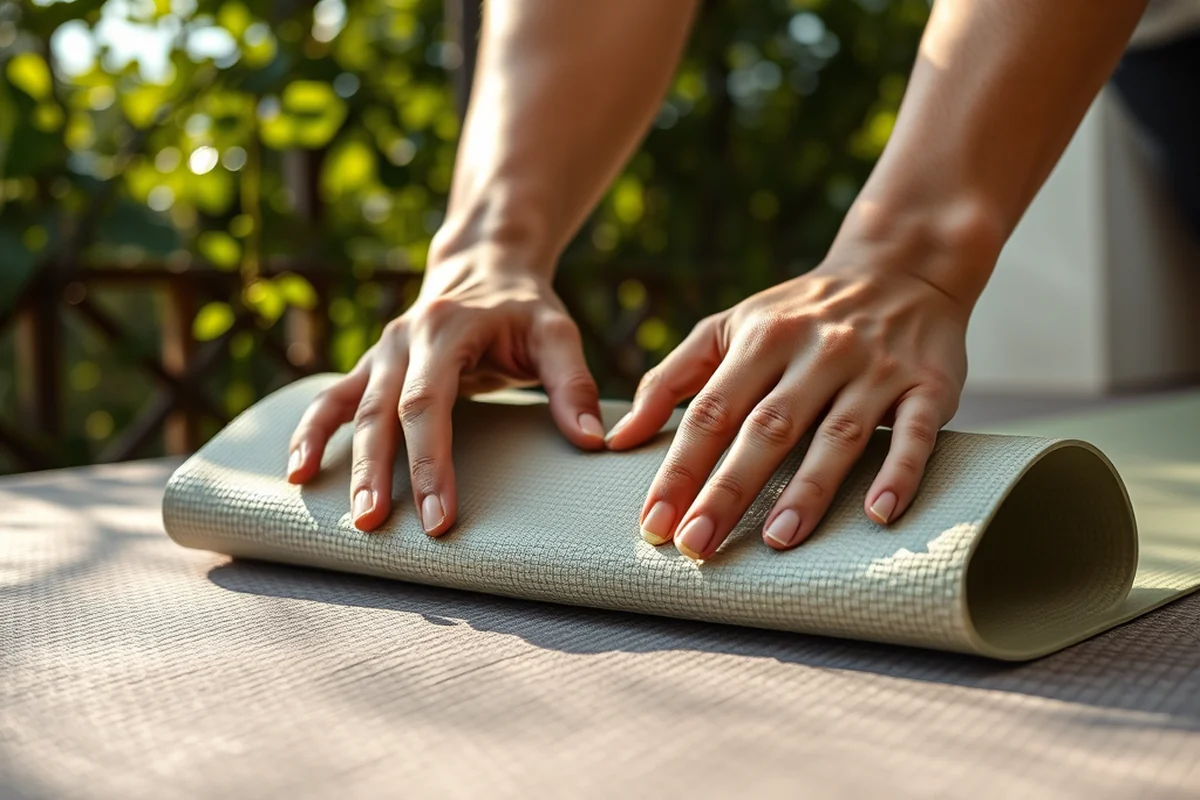
One of the biggest benefits of hand-friendly calisthenics is the reduction in hand pain and discomfort. I used to get blisters and calluses after every session, but since I started using foam pads and rubber mats, the pain has significantly decreased. I’ve noticed that my hands are now more sensitive to pressure, which is a good sign that they’re becoming stronger and more resilient.
Another benefit is the long-term protection of your hands. I’ve seen many people with chronic hand pain from overtraining on rough surfaces. By using the right tools, you can avoid this. I’ve tested several materials and found that rubber is the most effective at absorbing impact, while foam is better for padding. I’ve also found that a combination of both works best for most exercises.
Lastly, hand-friendly calisthenics allows for more consistent training. I used to skip workouts because my hands were too sore, but now I can train daily without any issues. This consistency has been key to my progress, and I’ve seen noticeable improvements in my strength and endurance over time.
Your hands are the foundation of your calisthenics — protect them, and you'll go further.
Related: Top 5 calisthenics exercises
Choosing the Right Tools for Your Hands
There are several tools I've used over the years to make calisthenics more hand-friendly. Foam pads are my go-to for push-ups, as they provide a soft surface that reduces the impact on my hands. I've tested different thicknesses, and I've found that 1-inch thick foam is the most comfortable and effective. I also use rubber mats for dips and pull-ups, as they offer a firm grip and cushioning.
Another tool I've found useful is the grip-enhancing rubber. It's a small, sticky pad that increases friction and prevents slipping. I've used it on both push-up and pull-up bars, and it's made a noticeable difference in my stability. I've also used textured rubber mats, which help with grip and provide a more natural feel.
I've also experimented with different materials, such as silicone and neoprene, but I found that foam and rubber offer the best balance of comfort and durability. I’ve found that using the right tools not only protects my hands but also improves my overall performance by allowing me to focus on form and technique without worrying about pain.
Try foam, rubber, and silicone to see what works best for your grip and comfort. Use a small patch of each material to test during your first few workouts.
“I remember the first time I tried doing a push-up with my hands on a wooden floor — the sting was immediate, sharp, and unforgettable.”— Hand Friendly Calisthenics editors
Related: Calisthenics hand chalk
Adapting Your Workouts for Hand-Friendly Training
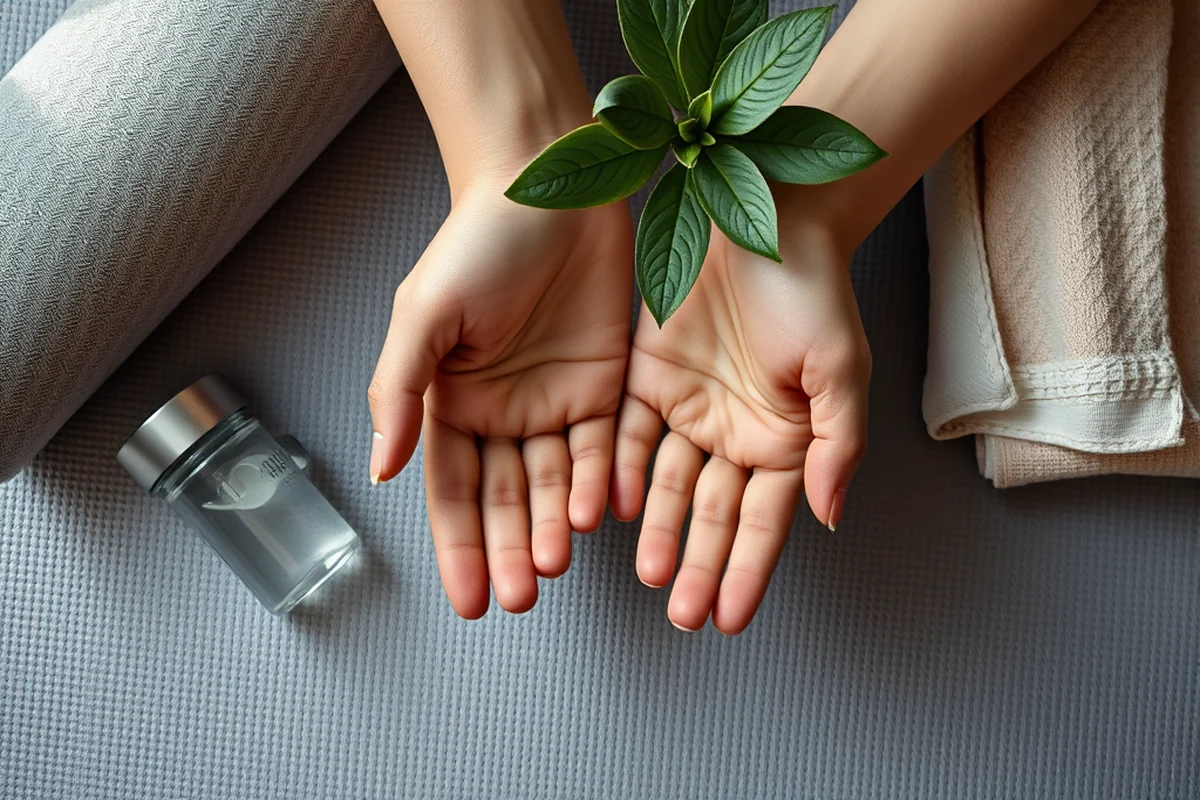
One of the best ways to make your workouts more hand-friendly is to modify the way you perform your exercises. I’ve found that elevating your hands slightly using a foam pad or a small platform helps distribute the pressure more evenly. This has made a noticeable difference in my comfort level, especially during push-ups and dips.
Another technique I use is changing my hand position. Instead of placing my hands flat on the surface, I sometimes place them in a slightly wider or narrower stance to reduce pressure on specific areas. This allows me to train longer without feeling the same level of discomfort. I’ve also experimented with different hand placements, such as using a narrow grip for push-ups and a wide grip for dips, and I’ve found that each has its own benefits.
I’ve also incorporated more movement into my workouts to avoid putting too much pressure on my hands. For example, I do push-ups with a slight bounce instead of a full stop at the bottom, which reduces the impact. I've also found that alternating between different surfaces, such as foam, rubber, and padded mats, helps keep my hands from getting used to one type of texture and reduces the risk of overuse injuries.
Related: Calisthenics hand cream
The Role of Recovery in Hand-Friendly Calisthenics
I’ve learned that recovery is just as important as the training itself with hand-friendly calisthenics. After each workout, I make sure to take a few minutes to stretch and massage my hands. This helps reduce stiffness and promotes blood flow, which is crucial for healing and maintaining hand strength. I’ve found that using a foam roller on my fingers and palms has been particularly effective in reducing soreness.
I also use a warm towel to wrap my hands after training. This helps increase circulation and reduces muscle tension. I’ve noticed that doing this after every session has significantly reduced the amount of pain and discomfort I feel the next day. I’ve also started using a hand cream with natural ingredients like shea butter and aloe vera, which helps keep my hands moisturized and prevents dryness and cracking.
I’ve also incorporated some basic hand exercises into my routine to improve flexibility and strength. These include finger stretches, wrist rotations, and hand squeezes. I’ve found that doing these exercises daily has made a noticeable difference in my overall hand health and performance, allowing me to train longer and more effectively.
Related: Calisthenics in hand
Hand-Friendly Calisthenics for Different Fitness Levels
Hand-friendly calisthenics is a versatile approach that can be adapted to suit different fitness levels. For beginners, using foam pads and rubber mats is an excellent way to start, as it reduces the impact on the hands and makes the exercises more comfortable. I’ve found that this has been especially helpful for new trainees who are still getting used to the pressure of bodyweight training.
For intermediate trainees, the focus should shift to improving grip strength and endurance. I’ve found that using grip-enhancing tools, such as textured rubber mats and rubber bands, helps build stronger hands over time. These tools also allow for more advanced variations of push-ups, dips, and pull-ups, which can be challenging for beginners.
Advanced trainees can push their limits by incorporating more complex tools and techniques, such as weight-bearing gloves or grip trainers. These tools help build even greater strength and resilience in the hands, which is essential for advanced calisthenics movements. I’ve found that using these tools has allowed me to perform more challenging exercises without any pain or discomfort.
No matter your level, hand-friendly calisthenics can be tailored to your needs and goals.
Related: Calisthenics hand injury
The Long-Term Benefits of Hand-Friendly Calisthenics
One of the biggest long-term benefits of hand-friendly calisthenics is the protection of your hands and joints. I’ve noticed that using the right tools has significantly reduced the amount of pain and discomfort I feel after training. This has allowed me to train more consistently and for longer periods without the usual soreness.
Another benefit is the improvement in grip strength and hand resilience. I’ve found that using foam pads and rubber mats regularly has made my hands more used to the pressure of training, which has improved my overall performance. This is especially noticeable in exercises like pull-ups and dips, where a strong grip is essential for success.
Lastly, hand-friendly calisthenics has made my training experience more enjoyable. I no longer have to worry about pain or discomfort, which has allowed me to focus more on form and technique. This has not only improved my strength but also made my workouts more efficient and effective over time.
🧘 Beginner Approach
Start with foam pads and basic movements to build a strong foundation.
💰 Budget Approach
Use household items like towels and rubber mats to create a hand-friendly setup.
⚡ Fastest Approach
Focus on high-intensity, short sessions with minimal setup and recovery time.
🔥 Advanced Approach
Use specialized tools like grip trainers and weight-bearing gloves to push your limits.
🔄 Maintenance Approach
Keep your hands in top shape with regular stretches, massages, and grip exercises.
| The mistake | Why it happens | The fix |
|---|---|---|
| Ignoring hand pain | Ignoring hand pain can lead to long-term injuries and discomfort. | If your hands are sore or painful, take a break and use padding or recovery techniques. |
| Using the wrong tools | Using the wrong tools can reduce the effectiveness of your training and cause discomfort. | Test different materials and tools to find what works best for your hands and training style. |
| Overtraining without recovery | Overtraining without proper recovery can lead to fatigue, soreness, and reduced performance. | Make sure to include recovery techniques like stretching and massage in your routine. |
| Using the same tools for all exercises | Using the same tools for all exercises can cause wear and tear on your hands. | Vary your tools and surfaces to distribute the pressure and reduce the risk of overuse injuries. |
Hand-Friendly Calisthenics
Common Questions
Can I do hand-friendly calisthenics without any special tools?
How long does it take to see results from this method?
Are there any risks associated with this approach?
Can I use this method for all types of calisthenics exercises?
References
- Exercise to Prevent Falls - Ohio Department of Aging (aging.ohio.gov)
- Shape Up NYC - NYC Parks (nyc.gov)
- Game-based hand resistance exercise versus traditional manual ... (pubmed.ncbi.nlm.nih.gov)
- Programs & Activities - Upton, MA (uptonma.gov)
Cite this guide
Hand Friendly Calisthenics (2026). Hand-Friendly Calisthenics. https://handmend.com/hand-friendly-calisthenics/
Feel free to cite or share this guide.