
Hand Gymnast
📖 Table of Contents
The first time I saw someone do a one-arm handstand, I was stunned. It wasn’t just the balance, it was the way their body seemed to defy gravity, held up by nothing but the strength and control of their hands. I had been doing calisthenics for years, but this was something else entirely. I called it a 'hand gymnast' — someone who uses their hands not just as tools, but as the foundation of a whole new kind of movement.
As I delved deeper into the world of hand gymnastics, I discovered that it’s not just about doing handstands or push-ups on your palms. It’s a full-body practice that blends strength, flexibility, and coordination in ways I had never experienced before. The feeling of power that comes from supporting your entire body on your hands is unlike anything else. It’s both humbling and empowering, and it changed the way I moved — and thought about movement — forever.[1]
Hand gymnastics isn’t for the faint of heart, but it’s accessible to anyone willing to put in the work. I started with simple wrist rolls and finger extensions, gradually building up to more complex moves like handstand push-ups and spider crawls. The journey was tough, but the payoff — stronger hands, better posture, and a newfound sense of control — was worth every drop of sweat.
Why You'll Love This Practice
- Improves grip strength and wrist stability
- Enhances core and upper-body endurance
- Boosts coordination and body awareness
- Offers a unique, challenging form of calisthenics
What is a Hand Gymnast?
As of August 2026, Being a hand gymnast means more than just doing handstands. It’s a holistic practice involving wrist mobility, grip strength, and core stability. When I first started, I didn’t realize how much my hands were holding me back. Weak wrists and poor finger control made even the simplest moves feel impossible. But over time, with targeted exercises, I saw real progress.
The key is to treat your hands like any other muscle group. I began with basic grip exercises like finger extensions and wrist curls, then progressed to more complex moves. Every time I did a handstand, I noted how much my fingers and wrists were working. It was a revelation — my hands weren’t just tools, they were the foundation of my entire practice.
There’s a certain freedom that comes with mastering hand gymnastics. You learn to trust your hands, to move with precision, and to feel every muscle in your body working together. It’s a different kind of strength — one that doesn’t rely on weights or machines, but on your own body’s capabilities.
When beginning, spend time mastering basic hand exercises before moving to complex moves. Focus on quality, not quantity.
Part of our More beautiful hand blender guide.
The Benefits of Hand Gymnastics
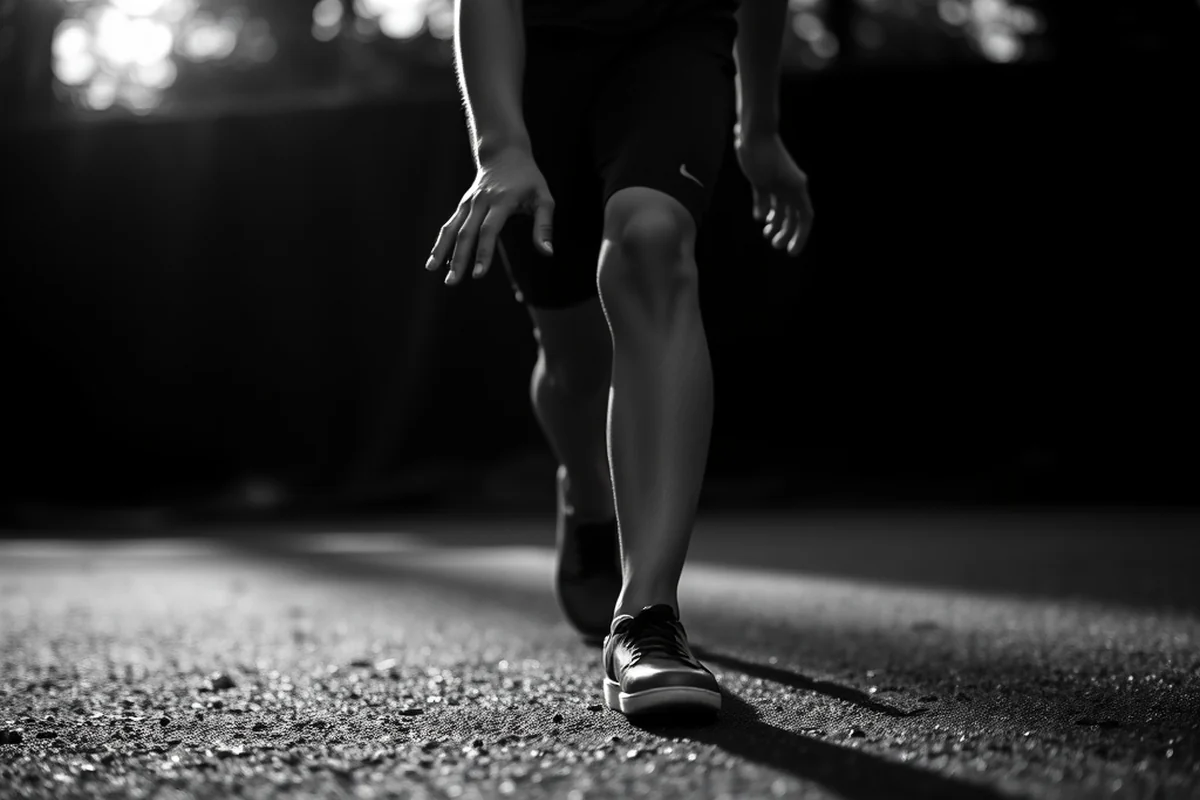
The benefits of hand gymnastics are both physical and mental. I noticed a significant improvement in my grip strength within weeks. My fingers were no longer trembling during push-ups, and my wrists felt more stable. This had a ripple effect — better posture, more control during workouts, and even improved balance outside of the gym.
One of the most surprising benefits was the way it reshaped my body awareness. By training my hands to support my body, I became more attuned to my muscles, joints, and alignment. It’s like having a built-in feedback loop that helps you move more efficiently and safely.
Hand gymnastics also has a psychological component. The discipline required to master these moves builds mental resilience. Every time I failed a handstand, I didn’t see it as a setback — I saw it as a step closer to mastery.
Hand gymnastics is a mirror to your body and mind.
Related: Travel friendly hand blender
Related: Hand exercise with
Related: Hand exercise for brain
Related: Hand fitness exercise
Related: Fitness hand grip exercises
How to Train Your Hands for Gymnastics
Training your hands is like training any other muscle group. I started with simple mobility drills — wrist rolls, finger stretches, and joint rotations. These helped increase my range of motion and reduce the risk of injury. Without proper mobility, even the strongest grip can lead to strain.
For strength, I focused on grip-specific exercises like hanging from a pull-up bar, using a grip strengthener, and doing handstand push-ups. These exercises target the fingers, palms, and forearms, building the kind of strength needed for advanced moves.
Endurance was the final piece of the puzzle. I incorporated handstands into my routine, gradually increasing the time I could hold the position. This not only built stamina but also taught me how to maintain proper form under fatigue.
Before diving into strength exercises, take time to improve your wrist and finger mobility. This will prevent injury and allow for smoother progress.
“The first time I saw someone do a one-arm handstand, I was stunned.”— Hand Friendly Calisthenics editors
The Role of Core Strength in Hand Gymnastics
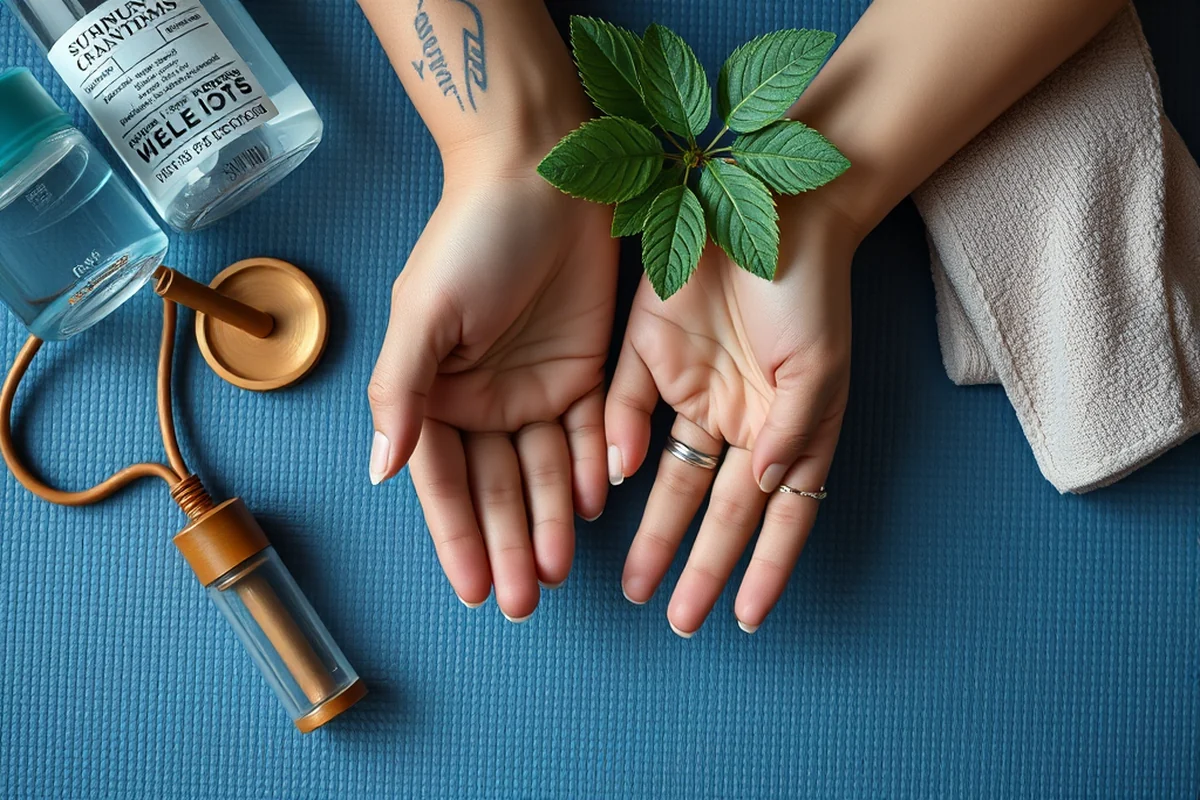
Your core is the unsung hero of hand gymnastics. Even if your hands are strong, without a stable core, you won’t be able to hold a handstand for long. I used to struggle with balance — my body would sway too much, and I’d fall quickly. But as I strengthened my core through planks and leg raises, I noticed a dramatic improvement.
One of the most effective exercises I found was the hollow body hold. It works the entire core while keeping the body in a position that mimics the alignment of a handstand. This helped me develop the muscle memory needed to stay upright.
Another key exercise was the dead bug, which improves coordination between the core and limbs. This was especially helpful when transitioning from a handstand to a push-up or when doing dynamic movements like spider crawls.
Progression in Hand Gymnastics
Progress in hand gymnastics isn’t linear. I had to master the basics before I could move on to more advanced moves. That meant spending weeks on simple wrist rolls and finger extensions before attempting a full handstand. It was frustrating at times, but the discipline paid off.
One of the best ways to track progress was by timing my handstands. I started with 10 seconds and worked my way up to a minute. Each week, I recorded my results and could see the small but steady improvements. This kept me motivated and gave me a clear sense of direction.
As I improved, I found that my body adapted in unexpected ways. My fingers became more flexible, my wrists stronger, and my core more stable. These changes weren’t just physical — they made me feel more confident and in control of my body.
The Mental Side of Hand Gymnastics
The mental aspect of hand gymnastics is just as important as the physical. I often found myself distracted by fear or frustration, especially when I was first learning. But over time, I learned to focus on the present moment and let go of negative thoughts.
One technique I used was visualization. Before attempting a difficult move, I would mentally rehearse it, imagining every detail of the movement. This helped build confidence and reduce anxiety. I noticed that when I could visualize the movement clearly, I was more likely to perform it successfully.
Meditation also played a role in my practice. Taking a few minutes to breathe deeply before a handstand helped me stay calm and focused. It was a small habit that made a big difference in my ability to stay centered and perform at my best.
The mind is the first thing you must train.
Community and Support in Hand Gymnastics
I was lucky to find a group of people who were also into hand gymnastics. We met weekly at a local gym, sharing tips, practicing together, and encouraging each other. It was incredibly motivating to see others progress and to know I wasn’t alone in my struggles.
Having a mentor was also invaluable. I worked with an experienced hand gymnast who guided me through the basics and helped me avoid common mistakes. Their feedback was crucial in helping me refine my technique and build confidence.
Even if you don’t have access to a local community, there are online forums and social media groups where people share progress and offer support. These communities can be a great source of motivation and learning.
🏋️ Beginner
Start with basic wrist and grip exercises to build foundational strength and mobility.
💰 Budget
Use bodyweight and household items to create a full hand gymnastics routine without any equipment.
⏱️ Fastest
Focus on high-intensity, short-duration workouts to build strength and coordination quickly.
🔥 Advanced
Master complex hand gymnastics moves like handstand push-ups and spider crawls for elite performance.
🔄 Maintenance
Incorporate light hand gymnastics into your routine to maintain strength and mobility without overtraining.
| The mistake | Why it happens | The fix |
|---|---|---|
| Skipping warm-ups and mobility drills | This can lead to injury and hinder progress. Warm-ups prepare your body for movement and improve flexibility. | Always start with 5–10 minutes of mobility work, such as wrist rolls and finger stretches. |
| Trying to force a handstand before being ready | This can lead to strain on the wrists and shoulders, and may discourage further progress. | Build up to a handstand gradually by practicing wall walks, hollow body holds, and core strengthening exercises. |
| Neglecting core strength | A strong core is essential for balance and control during hand gymnastics moves. | Incorporate planks, leg raises, and hollow body holds into your routine to build core strength. |
| Not tracking progress | Without tracking, it's easy to lose focus and motivation. | Use a journal or app to record your handstand times, mobility improvements, and strength gains. |
Hand Gymnast
Common Questions
What equipment do I need to start hand gymnastics?
How long does it take to see results?
Can I do hand gymnastics if I have wrist pain?
Is hand gymnastics safe for beginners?
References
- Postural control in gymnasts: anisotropic fractal scaling reveals ... (pmc.ncbi.nlm.nih.gov)
Cite this guide
Hand Friendly Calisthenics (2026). Hand Gymnast. https://handmend.com/hand-gymnast/
Feel free to cite or share this guide.