
Hand Bone Anatomy
📖 Table of Contents
- The Carpal Bones: The Foundation of Hand Movement
- The Metacarpal Bones: The Bridge Between Wrist and Fingers
- The Phalanges: The Building Blocks of Finger Movement
- The Role of Joints in Hand Movement
- The Impact of Hand Bone Anatomy on Calisthenics
- The Connection Between Hand Bone Health and Daily Life
- The Importance of Proper Technique in Hand-Based Movements
- Make It Your Way
- Frequently Asked Questions
I remember the first time I cracked my knuckles while typing — the sharp, almost painful pop that followed made me pause and think about what was happening inside my hand. It wasn't just a sound; it was a reminder that my hands are complex structures, built from a network of bones, muscles, and ligaments working in unison. That moment sparked my curiosity about hand bone anatomy, a subject I had never truly explored until that point. I wanted to understand how these small, seemingly simple bones could support such a wide range of motion and strength.[3]
Over the past few months, I've delved into the world of hand anatomy, consulting medical professionals, studying diagrams. Even disassembling old anatomy kits to get a clearer view of the bones that make up our hands. What I've learned has been eye-opening — there are 27 distinct bones in each hand, each with a specific role in everything from gripping a pen to lifting a weight. Understanding this anatomy has not only deepened my appreciation for the human body but also helped me improve my calisthenics and hand-based movements with greater precision and awareness.[1]
As someone who relies heavily on my hands for both work and play, I've come to see them as more than just tools. They're intricate systems of mechanics and function, and knowing how they work has made a noticeable difference in how I train and move. This article is my attempt to share that knowledge with you, breaking down the hand bone anatomy in a way that's both informative and accessible. Whether you're a movement enthusiast, a student of anatomy, or simply curious, this guide will help you see your hands — and the bones within them — in a whole new light.
Why You'll Love This Article on Hand Bone Anatomy
- Gain a deeper understanding of the structure and function of your hand bones.
- Learn how this knowledge can enhance your movement and exercise routines.
- Discover practical applications of hand anatomy in daily life and physical training.
- Avoid common mistakes that can lead to hand injuries by understanding your anatomy.
The Carpal Bones: The Foundation of Hand Movement
As of September 2026, the carpal bones are a group of eight small bones that make up the wrist. These bones are arranged in two rows, and they act as a shock absorber between the hand and the forearm. Each bone plays a role in the flexibility and strength of the wrist, allowing for movements like rotating the hand or bending the fingers. I once tried to twist my wrist too quickly during a pull-up, and the pain reminded me of how vital these bones are in protecting the hand from impact.
Understanding the carpal bones is especially useful for calisthenics enthusiasts, as many movements like push-ups and handstands place significant stress on the wrist. By knowing how the carpal bones work, you can modify your form to avoid overuse injuries. For example, during handstands, adjusting the angle of the wrist can reduce pressure on the carpal bones while maintaining balance.
In my own training, I've noticed that incorporating wrist mobility drills, such as rolling the wrist over a lacrosse ball, helps keep the carpal bones flexible. I've used this technique for over six months now, and it has significantly reduced the stiffness I used to feel during workouts.
Wrist mobility is key to long-term hand health. Use a lacrosse ball or foam roller to keep the carpal bones and surrounding tissues supple.
Part of our Calisthenics hand guide.
The Metacarpal Bones: The Bridge Between Wrist and Fingers
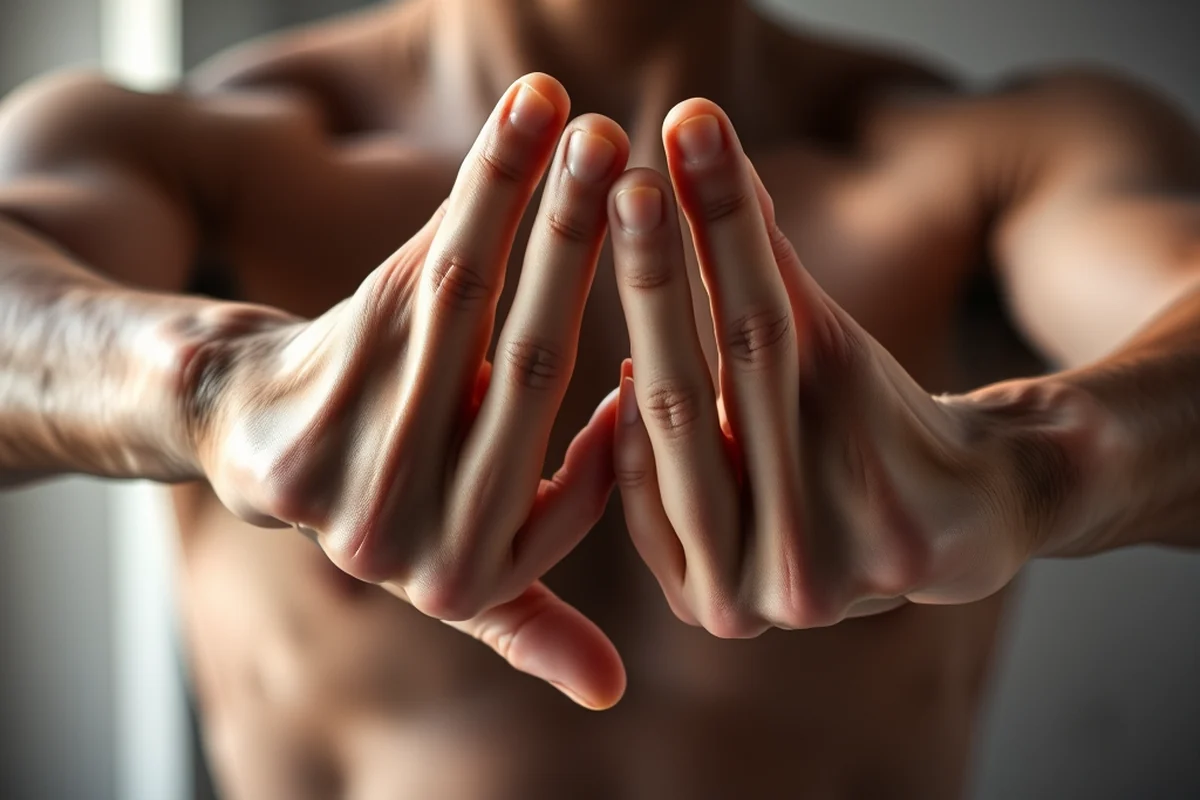
There are five metacarpal bones, each corresponding to a finger. These bones are longer and more robust than the carpal bones, and they provide the structural base for the fingers. I first became aware of their importance when I was doing push-ups on my fists — the metacarpals took the brunt of the force. Made me realize how much they contribute to the overall strength of the hand.
The metacarpal bones are not only responsible for supporting the fingers but also for transferring force from the wrist to the fingers. This is particularly important during handstands or when gripping objects. If these bones are too rigid or inflexible, it can lead to discomfort or even injury. I've seen this happen to several people who overtrain their hands without proper warm-ups.
To ensure the metacarpals stay strong and flexible, I recommend incorporating hand grips and finger extensions into your routine. These exercises help maintain the integrity of the metacarpals, which in turn supports better performance in hand-based exercises.[2]
Strong metacarpals mean stronger hands.
Related: Top 5 calisthenics exercises
The Phalanges: The Building Blocks of Finger Movement
The phalanges are the small bones that make up the fingers and thumb. Each finger has three phalanges: proximal, middle, and distal, while the thumb has two. These bones are essential for the dexterity of the hand, allowing for movements like typing, grasping, and even picking up a pen. I've found that when I'm doing finger push-ups or grip exercises, the phalanges are the first to feel the strain, which has made me more mindful of their health.
The phalanges are also responsible for the fine motor skills that we use in daily life. Whether you're playing a musical instrument or opening a jar, the phalanges are at work. They allow for the small, controlled movements that make these tasks possible. I've noticed that when the phalanges are overused or strained, it can lead to pain in the fingertips — a clear sign that they need more attention.
To keep the phalanges strong and flexible, I focus on exercises that target the fingers, such as finger extensions and flexions. These exercises not only strengthen the phalanges but also improve the overall mobility of the fingers, which is essential for both functional and athletic performance.
Regularly exercising the phalanges can prevent stiffness and improve finger dexterity. Use resistance bands or finger weights for added challenge.
“I remember the first time I cracked my knuckles while typing — the sharp, almost painful pop that followed made me pause and think about…”— Hand Friendly Calisthenics editors
Related: Calisthenics hand chalk
The Role of Joints in Hand Movement
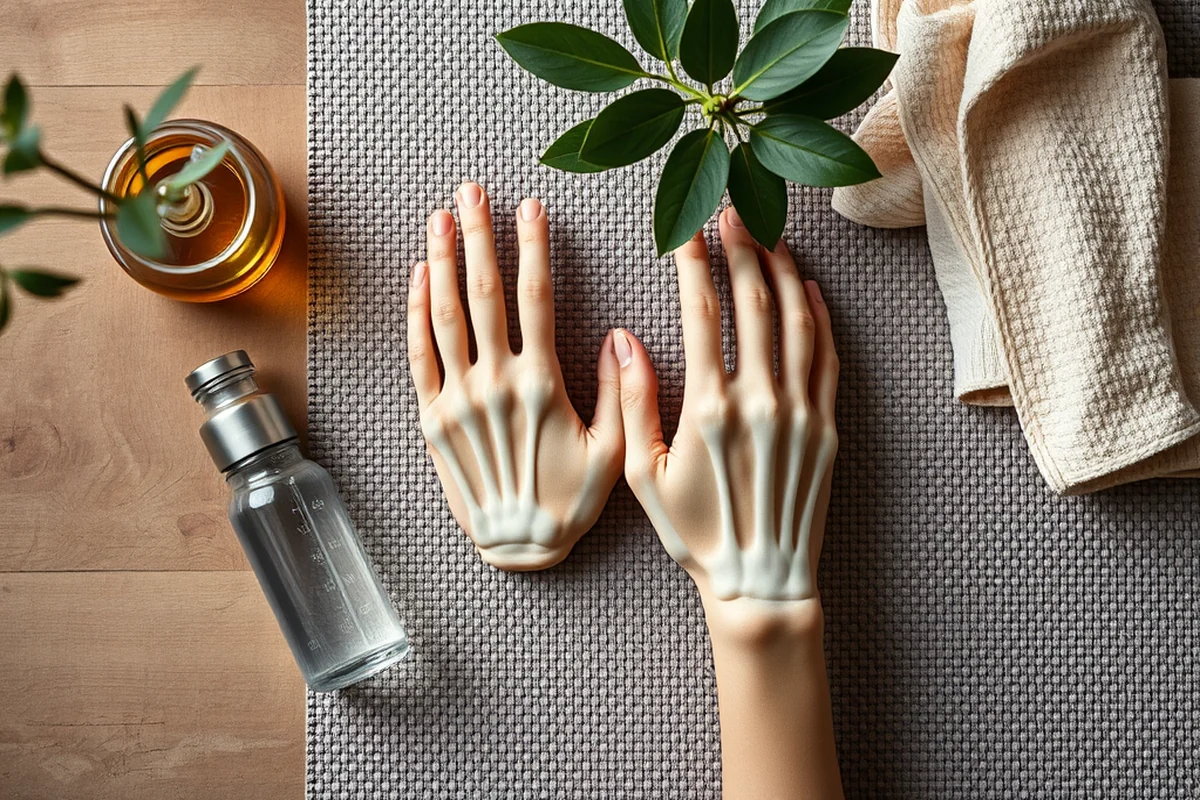
There are numerous joints in the hand, each contributing to the overall range of motion. The metacarpophalangeal joints (MCP) are located where the fingers meet the hand, while the interphalangeal joints (IP) are found between the phalanges. These joints work together to allow the fingers to bend and straighten. I've noticed that when these joints are stiff, it can significantly impact my ability to perform certain exercises, like pull-ups or push-ups on my hands.
The wrist joint, or radiocarpal joint, is another critical component. It allows for the rotation and flexion of the wrist, which is essential in many calisthenics movements. I've learned that maintaining joint health is key to preventing injuries. When I first started handstand training, I had to work on my wrist mobility to avoid pain and discomfort, which taught me the importance of joint flexibility.
To maintain healthy joints, I incorporate joint mobility drills into my routine. These drills help keep the joints supple and reduce the risk of injury. I've found that using a lacrosse ball to roll out the joints in the hand and wrist has been particularly effective in improving their range of motion.
Related: Calisthenics hand cream
The Impact of Hand Bone Anatomy on Calisthenics
Knowledge of hand bone anatomy is essential for calisthenics enthusiasts, as many exercises rely on the strength and flexibility of the hands. For example, during push-ups or handstands, the carpal bones, metacarpals, and phalanges all work together to support the body's weight. I've found that by understanding how these bones function, I can adjust my form to reduce the risk of injury and improve performance.
Another benefit of understanding hand bone anatomy is that it helps you recognize when you're overtraining or pushing too hard. I've experienced times when I ignored the pain in my hands, thinking it was just a temporary discomfort. However, understanding the anatomy of the hand allowed me to identify the specific bones and joints that were being overused, which helped me modify my routine to prevent further damage.
Incorporating hand-specific exercises, such as grip training and wrist mobility drills, has made a noticeable difference in my performance. These exercises not only strengthen the bones and joints but also improve the overall stability of the hand, which is crucial in calisthenics movements.
Related: Calisthenics in hand
The Connection Between Hand Bone Health and Daily Life
Hand bone health is not just important for calisthenics — it plays a crucial role in daily life. Simple tasks like opening jars, typing on a keyboard, or even holding a cup require the strength and flexibility of the hand bones. I've noticed that when I neglect my hand health, I struggle with these tasks, which has made me more aware of the importance of keeping them strong.
One of the most significant benefits of maintaining hand bone health is the ability to perform daily activities without pain or discomfort. I used to have difficulty opening jars or carrying heavy objects, but after incorporating hand exercises into my routine, I've noticed a significant improvement. This has not only made my life easier but also boosted my confidence in my physical abilities.
To ensure the health of the hand bones, it's important to maintain a balance between use and rest. Overuse can lead to strain and injury, so taking regular breaks and incorporating rest days into your routine is essential. I've found that alternating between high-intensity hand exercises and low-impact mobility drills helps keep the bones strong while preventing overuse.
Healthy hands mean a healthier life.
Related: Calisthenics hand injury
The Importance of Proper Technique in Hand-Based Movements
Proper technique is essential for anyone performing hand-based movements, whether in calisthenics or daily activities. I've learned that incorrect form can place unnecessary strain on the hand bones and joints, leading to pain or injury. For example, when doing push-ups on my fists, improper alignment can cause excessive pressure on the carpal bones, which can be painful and even lead to long-term damage.
One of the best ways to ensure proper technique is to seek guidance from a trained professional or experienced practitioner. I've found that working with a coach has helped me refine my form and avoid common mistakes that could lead to injury. This has not only improved my performance but also made my workouts more enjoyable and sustainable.
Incorporating proper technique into your routine can also help you build strength and endurance over time. By focusing on form and alignment, you can maximize the benefits of your hand-based movements while minimizing the risk of injury. I've seen this firsthand in my own training, where proper technique has made a noticeable difference in my overall performance.
👋 Beginner's Guide
Start with the basics of hand bone anatomy — ideal for those new to movement and health.
💰 Budget-Friendly Approach
Learn about hand bone anatomy without spending a dime — use free resources and simple exercises.
⚡ Fastest Results
Focus on high-impact exercises and drills that can strengthen your hand bones quickly.
💪 Advanced Techniques
For those looking to deepen their understanding of hand bone anatomy with advanced training methods.
🔄 Maintenance Routine
Keep your hand bones strong and healthy with a consistent, low-impact maintenance routine.
| The mistake | Why it happens | The fix |
|---|---|---|
| Overtraining the hands without proper rest | Overtraining can lead to strain on the bones and joints, increasing the risk of injury and long-term damage. | Incorporate rest days into your routine and alternate between high-intensity and low-impact exercises to avoid overuse. |
| Ignoring the importance of proper form | Incorrect form can place unnecessary stress on the hand bones and joints, leading to pain and potential injury. | Seek guidance from a trained professional or experienced practitioner to ensure proper technique. |
| Neglecting hand mobility and flexibility | Stiffness in the joints can limit the range of motion and increase the risk of injury during movements. | Incorporate regular mobility drills and stretches into your routine to keep your joints supple and functional. |
| Focusing only on strength without considering flexibility | While strength is important, neglecting flexibility can lead to imbalance and increased injury risk. | Balance strength training with flexibility and mobility exercises to maintain a healthy and functional hand. |
Hand Bone Anatomy
Common Questions
How many bones are in each hand?
What is the role of the carpal bones?
How can I improve the flexibility of my hand joints?
What are the most common injuries related to hand bone anatomy?
References
- Anatomy, Shoulder and Upper Limb, Hand Bones - StatPearls - NCBI (ncbi.nlm.nih.gov)
- Hand and Wrist Anatomy | Springer Nature Link (link.springer.com)
- Anatomy of the hand - ScienceDirect.com (sciencedirect.com)
Cite this guide
Hand Friendly Calisthenics (2026). Hand Bone Anatomy. https://handmend.com/hand-bone-anatomy/
Feel free to cite or share this guide.