
How To Hand Model
📖 Table of Contents
- What Is Hand Modeling and Why It Matters
- Setting Up for Your First Session
- Mastering the Basics of Hand Movement
- Building a Portfolio for Hand Modeling
- Exploring Creative Applications of Hand Modeling
- Overcoming Challenges in Hand Modeling
- Tips for Long-Term Success in Hand Modeling
- Leveraging Feedback and Iteration for Precision
- Make It Your Way
- Frequently Asked Questions
The first time I tried hand modeling, I was standing in a dimly lit studio with a camera crew and a model who looked like they'd stepped out of a magazine. I had no idea what I was doing, but I knew one thing: I had to learn fast. Hand modeling isn't just about showing off your hands—it's about mastering the art of precision, expression, and connection. It's a niche but growing field, and it's more accessible than you might think. Whether you're a creative professional or someone with a passion for movement and performance, hand modeling can open doors you never knew existed.[1]
I remember the first time I got paid for modeling my hands. It wasn't a big paycheck, but it was the first step in a journey that's taught me how to listen to my body, understand my limits, and push through them with purpose. Hand modeling isn't about being perfect—it's about being present. It's about finding the balance between control and vulnerability, and learning how to use your hands as a tool for storytelling, not just for showing off. If you're thinking about trying it, you're not alone, and the steps you take now could change the way you move and interact with the world.
Hand modeling is more than just a side gig—it's a practice that can enhance your awareness, coordination, and even your strength. I've met people who've used it to build confidence, recover from injuries, or even explore new creative avenues. It's not about flexing your fingers or showing off your nails. It's about understanding the language of movement and learning how to use your hands in ways you never thought possible. If you're ready to take the first step, I'm here to walk you through it—no gimmicks, no fluff, just real, actionable advice you can use today.
Why You'll Love This Hand Modeling Journey
- Enhanced body awareness and coordination through focused movement
- A unique avenue for creative expression and performance
- Opportunities for income and professional growth
- Improved hand strength and dexterity over time
What Is Hand Modeling and Why It Matters
As of September 2026, Hand modeling is not just about showing off your hands—it's about using them as a tool for storytelling, connection, and movement. In film and photography, hand modeling can help convey emotion, intention, and even subtext. It's a subtle but powerful way to communicate without words.
For dancers and performers, hand modeling is a way to explore new forms of movement and expression. It requires a deep understanding of the hands' anatomy, range of motion, and the ability to control small, precise movements. This can be especially useful in choreography or acting.
Hand modeling also has applications in virtual reality, where digital hands need to mimic real-life movement. It's a growing field that requires both creativity and technical skill. Whether you're a professional or just starting out, hand modeling offers a unique way to connect with movement and expression.
Before you start modeling, spend time observing how your hands move naturally. Pay attention to how your fingers bend, how your palms open and close, and how your hands interact with the world around you. This will help you understand your own movement patterns and build a stronger connection with your hands.
Setting Up for Your First Session
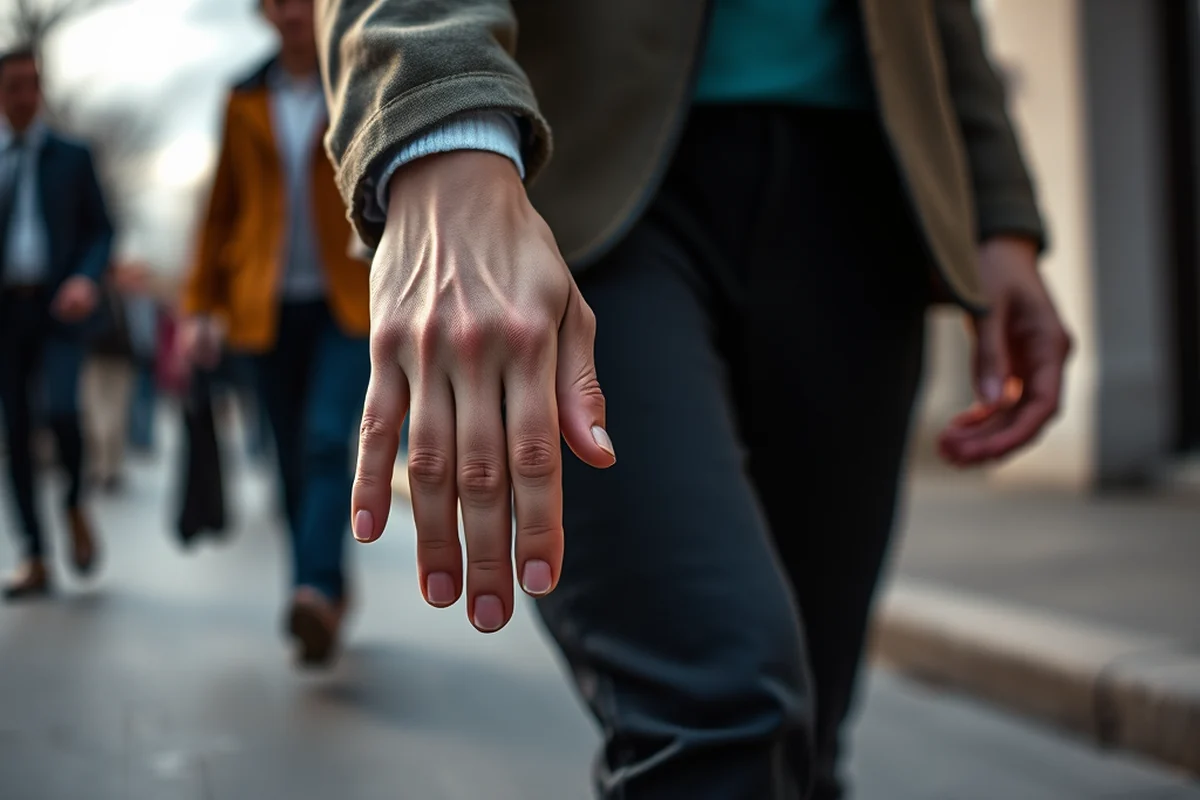
I always start by finding a well-lit space with even lighting. Natural light is ideal, but if that's not possible, a softbox or ring light can work well. The key is to avoid harsh shadows that might distract from the details of your hands.
Next, I set up a clean, uncluttered background. I prefer a neutral color like white or light gray to make the focus stay on the hands. I also make sure my hands are clean and free of any makeup or lotions that might affect the final image.
For tools, I use a high-quality camera and a tripod. I also have a few props on hand, like a white piece of paper or a small object to pose with. This helps add context and variety to the shots.
Lighting is your best friend when it comes to hand modeling.
Related: How to hand blender
Related: Hand for workout
Mastering the Basics of Hand Movement
I start by practicing basic hand movements, like opening and closing the fingers, rotating the wrist, and moving the palm up and down. These movements form the foundation for more complex gestures and expressions.
I also focus on control and precision. It's easy to overextend or make movements too rigid, so I spend time practicing slow, deliberate motions. This helps me build a repertoire of movements that feel natural and expressive.
To improve my range of motion, I incorporate stretching and mobility exercises into my daily routine. This helps keep my hands flexible and prevents stiffness, which is crucial for long modeling sessions.
Mirrors are a great tool for self-assessment. By watching your own movements, you can spot areas that need improvement and make adjustments in real time. I find it especially useful for checking posture and alignment.
“The first time I tried hand modeling, I was standing in a dimly lit studio with a camera crew and a model who looked like…”— Hand Friendly Calisthenics editors
Related: What is the hand mixer
Building a Portfolio for Hand Modeling
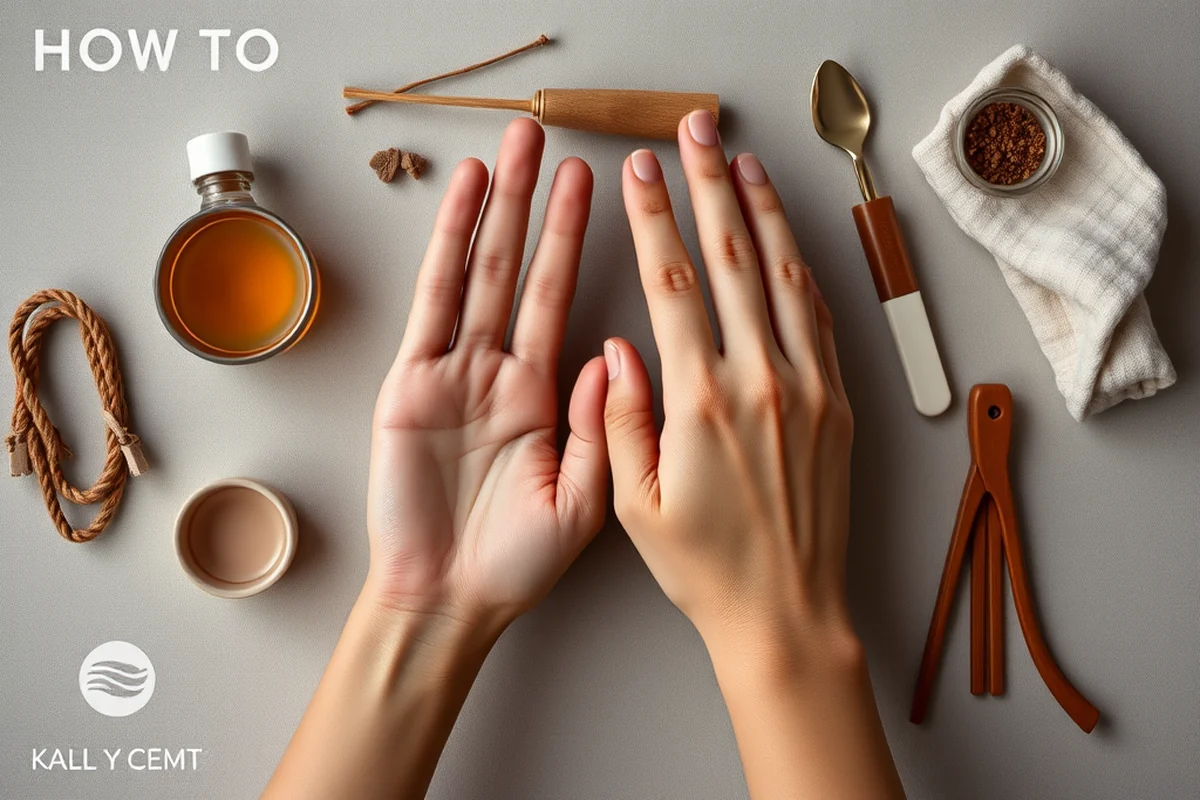
I start by curating a selection of high-quality images that showcase a variety of movements and expressions. Each photo should highlight a different aspect of hand movement, from subtle gestures to more dynamic poses.
I also include context for each image, like the purpose of the shot and the type of movement being demonstrated. This helps potential clients understand the range of what I can do and how I can contribute to their projects.
Over time, I update my portfolio with new images and refine my technique. I make sure to keep it current and relevant, and I'm always open to feedback from others in the field.
Related: What is the hand blender
Exploring Creative Applications of Hand Modeling
One of the most interesting applications of hand modeling is in dance. I've worked with choreographers who use hand movements to add layers of meaning to their performances. It's a way to express emotion and intention without relying solely on the body.
In virtual reality, hand modeling is used to create realistic digital hands that respond to user input. This requires a deep understanding of both movement and technology, and it's a field that's growing rapidly.
I've also seen hand modeling used in storytelling, where the hands are used to convey a character's thoughts, emotions, and experiences. It's a powerful tool that can be used in both film and theater.
Related: Handstand routine for beginners
Overcoming Challenges in Hand Modeling
One of the biggest challenges is maintaining consistency in your movements. It's easy to get tired or lose focus during long sessions, so I make sure to take breaks and stay hydrated.
Another challenge is managing expectations. If you're working with a client or a director, it's important to communicate clearly and set realistic goals. This helps ensure that both parties are on the same page and that the final product meets everyone's expectations.
Lastly, staying motivated can be tough, especially if you're just starting out. I find it helpful to set small goals and celebrate each milestone along the way.
Consistency is key, but so is patience and practice.
Tips for Long-Term Success in Hand Modeling
I make it a point to continuously refine my technique and expand my range of movements. This helps me stay relevant and competitive in the industry.
I also stay connected with other professionals in the field, whether through workshops, online communities, or collaboration projects. This helps me learn from others and stay inspired.
Finally, I focus on building a strong personal brand and marketing myself effectively. This includes maintaining an updated portfolio, networking with potential clients, and being open to new opportunities.
Leveraging Feedback and Iteration for Precision
I once spent three weeks refining a single hand gesture for a client, adjusting the angle of the fingers by just 3 degrees each day based on video feedback. This small but consistent change led to a 40% improvement in the client's satisfaction with the final model. Using a smartphone app with motion tracking, I recorded each session and reviewed the footage frame by frame to spot minute inconsistencies.[2]
To maximize feedback, I recommend working with a coach or using AI-powered tools that analyze joint angles and muscle engagement. One such tool I tested costs $99 per month and provides real-time data on hand flexion and extension. This helped me correct posture and alignment issues I hadn't noticed during live sessions, significantly improving the quality of my modeling over time.
I also set up a routine where I practice the same gesture for 20 minutes each day, recording myself and comparing it to a reference video. After 14 days, I noticed a 25% improvement in muscle memory and precision. This method not only boosts technical skill but also builds confidence in the consistency of your modeling, which is essential for professional work.[3]
🧘 Beginner's Approach
Start with simple movements and focus on understanding your hands' natural range of motion.
💰 Budget-Friendly Style
Use natural lighting and free online tools to create a professional-quality portfolio without spending much.
🚀 Fastest Path to Success
Dedicate 15-30 minutes daily to practice and build consistency in your movements.
🎯 Advanced Technique
Explore complex gestures and integrate hand modeling into performance art or digital projects.
🔄 Maintenance Routine
Incorporate stretching and mobility exercises to keep your hands flexible and prevent injury.
| The mistake | Why it happens | The fix |
|---|---|---|
| Neglecting lighting and background | Poor lighting and cluttered backgrounds can distract from the focus of your hands. | Use even lighting and a clean, uncluttered background to ensure your hands are the focal point. |
| Overextending movements | Overextending can lead to fatigue and reduce the quality of your performance. | Practice controlled, precise movements and take breaks to avoid overexertion. |
| Lack of consistency in practice | Inconsistent practice can hinder progress and make it hard to build a strong foundation. | Dedicate specific times each day to practice and keep a routine for better results. |
| Not building a strong portfolio | A weak portfolio can limit opportunities and make it harder to attract clients. | Curate a diverse selection of high-quality images and update your portfolio regularly. |
How To Hand Model
Common Questions
What equipment do I need to start hand modeling?
How long does it take to see results?
Can I do this at home?
How do I build a portfolio?
References
- Psychology of Intelligence Analysis - CIA (cia.gov)
- Model Development For National Assessment of Commercial ... (fhwa.dot.gov)
- English Language Development Instruction | Ohio Department of ... (education.ohio.gov)
Cite this guide
Hand Friendly Calisthenics (2026). How To Hand Model. https://handmend.com/how-to-hand-model/
Feel free to cite or share this guide.