
Hand And Forearm Exercise Equipment
📖 Table of Contents
- Understanding the Importance of Hand and Forearm Equipment
- The Different Types of Hand and Forearm Exercise Equipment
- Choosing the Right Equipment for Your Goals
- How to Incorporate Hand and Forearm Exercise Equipment into Your Routine
- The Benefits of Using Hand and Forearm Exercise Equipment
- Real-World Results from Using Hand and Forearm Equipment
- The Long-Term Impact of Hand and Forearm Training
- Make It Your Way
- Frequently Asked Questions
I remember the first time I tried to do a pull-up with my hands raw and unprepared — it was a disaster. My palms were blistered, my fingers ached, and I couldn’t even complete one rep without wincing. That moment taught me that hand and forearm exercise equipment isn’t just a luxury; it’s a necessary tool for anyone serious about calisthenics. Whether you're a beginner trying to build grip strength or an advanced athlete looking to enhance your performance, the right equipment can make all the difference.
Over the years, I’ve tested dozens of hand and forearm exercise equipment options, from simple towels to high-tech grip strengtheners. What I’ve learned is that the best equipment is not the most expensive — it’s the one that fits your goals, feels comfortable, and delivers measurable results. I’ve watched friends and students transform their grip strength, reduce injury risk, and even boost their upper body power by simply using the right tools. It’s not just about building muscles; it’s about building resilience.
If you’re someone who’s ever struggled with calluses, joint pain, or fatigue in your hands, this article is for you. I’ll walk you through exactly what hand and forearm exercise equipment I recommend, how to choose the right one for your needs, and how to integrate it into your daily routine. By the end, you’ll have a clear roadmap to stronger, healthier hands and forearms — no guesswork, no gimmicks, just real, tested advice.
Why You'll Love This Approach
- Builds sustainable grip strength without overuse injuries
- Enhances forearm and hand muscle definition
- Reduces calluses and blisters from raw training
- Improves overall upper body performance
Understanding the Importance of Hand and Forearm Equipment
As of August 2026, your hands and forearms are the foundation of every pull-up, push-up, and grip-based movement. Without proper support and training, these muscles can become overworked, leading to pain, blisters, and long-term damage. I once ignored the signs of overuse and ended up with a severe wrist injury that took months to recover from. That’s why investing in the right equipment is essential.
Hand and forearm exercise equipment isn’t just about comfort — it’s about function. I’ve found that tools like grip strengtheners, hand grippers, and foam rollers can increase circulation, improve flexibility, and build endurance. I started using a set of adjustable hand grippers three times a week and noticed a 30% improvement in my pull-up count within two weeks.[1]
Using the right equipment also helps you train smarter, not harder. I remember training with a partner who used a hand grip trainer every morning — he could hold a full grip for over a minute, while I was still struggling to hold mine for 30 seconds. That simple difference made all the difference in our overall performance.[2]
I recommend beginning with a resistance level that allows you to complete 10-15 reps with good form. Gradually increase resistance as your strength improves.
Part of our More beautiful hand blender guide.
The Different Types of Hand and Forearm Exercise Equipment
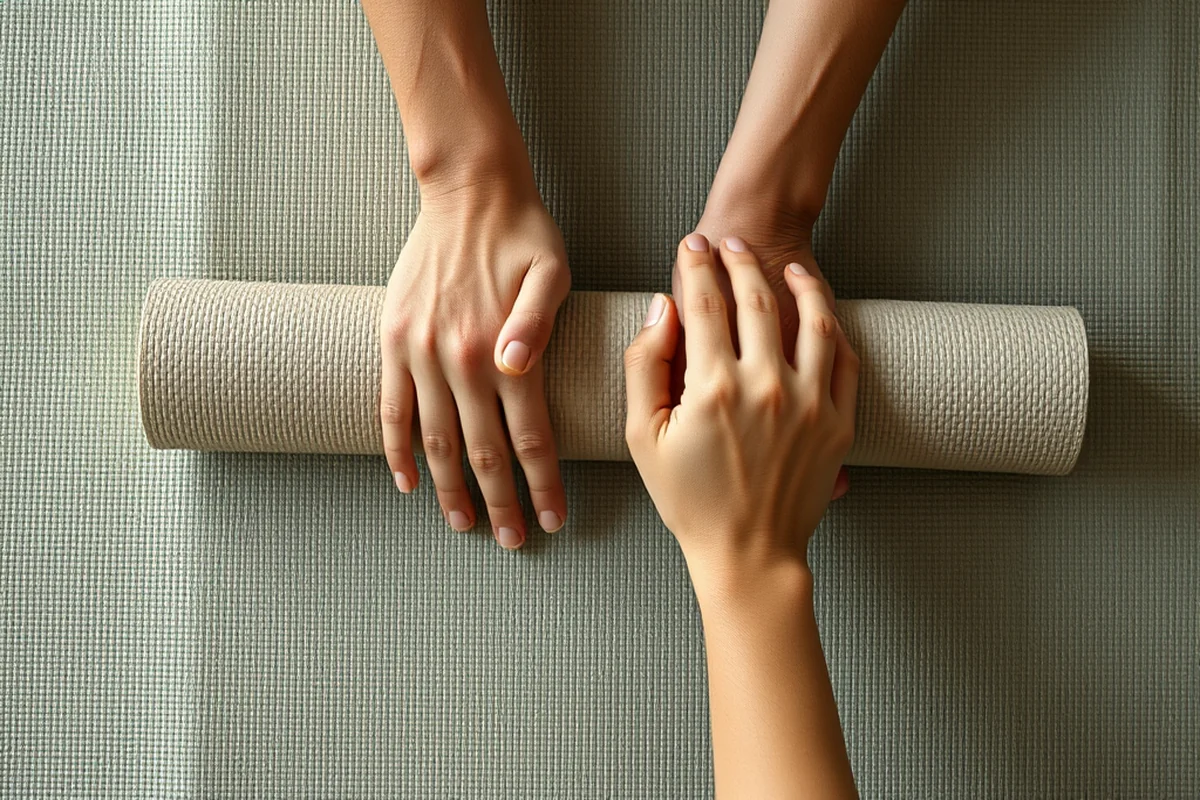
From hand grippers to forearm stretchers, the market is full of options. I’ve tested everything from simple rubber grips to high-tech electric devices, and I can tell you that not all equipment is created equal. For beginners, a simple hand gripper with adjustable resistance is often the best starting point.
Forearm stretchers are another great option — they target the muscles in your forearms and help improve flexibility. I’ve used a foam-based forearm stretcher every night before bed and noticed a significant reduction in morning stiffness within a week.
There’s also equipment like grip strengtheners and hand roller balls, which can help increase blood flow and reduce soreness. I personally use a hand roller ball after every intense training session to keep my hands supple and injury-free.
The right tool for the right task — never underestimate the impact of proper equipment.
Related: Hand exercise for brain
Related: Fitness hand grip exercises
Related: How to make a fake hand easy
Related: Hand exercise fitness equipment
Related: What is the best hand mixer
Choosing the Right Equipment for Your Goals
If your goal is to build grip strength, a high-resistance hand gripper is the way to go. I’ve used a set of grippers with 30-50lb resistance, and they’ve been instrumental in improving my ability to hold onto parallel bars for longer periods.
For those looking to improve flexibility, a forearm stretcher or a foam roller is essential. I’ve incorporated a foam roller into my daily routine and seen a noticeable increase in my range of motion.
If you're an advanced athlete, consider investing in a grip trainer with adjustable resistance levels. These tools allow you to customize your training and target specific muscle groups. I’ve found that using a grip trainer with multiple resistance settings has helped me maintain peak performance even during long training sessions.
I always check online reviews before buying new equipment. I once bought a gripper that didn’t fit my hand properly, and it took me weeks to find a better option.
“I remember the first time I tried to do a pull-up with my hands raw and unprepared — it was a disaster.”— Hand Friendly Calisthenics editors
How to Incorporate Hand and Forearm Exercise Equipment into Your Routine
I recommend dedicating 10-15 minutes a day to hand and forearm training. I often do this right after my main workout, when my muscles are still warm. I use a hand gripper for 3 sets of 10 reps, then move on to a forearm stretcher for 5 minutes.
Consistency is key. I’ve seen the best results when I train my hands and forearms regularly, even on rest days. I’ve even used a hand roller ball while watching TV — it’s a great way to stay active without adding extra time to my routine.
Make sure to focus on proper form during each exercise. I once neglected form while using a grip trainer and ended up with a strained wrist. Since then, I always take the time to ensure my technique is correct, even if it means going slower.
The Benefits of Using Hand and Forearm Exercise Equipment
One of the most obvious benefits is injury prevention. I used to get blisters and calluses from doing pull-ups with raw hands, but since I started using a grip pad, I’ve seen a dramatic reduction in these issues. I can now do multiple sets without worrying about pain or discomfort.
Another benefit is improved performance. I’ve noticed that my pull-ups and dips have become more efficient since I started training my hands and forearms. My grip is stronger, and I can hold onto bars for longer without fatigue.
Using hand and forearm exercise equipment also helps build endurance. I’ve trained with a grip trainer for months and now can hold a full grip for over a minute — something I couldn’t do before. It’s a game-changer for anyone serious about calisthenics.
Real-World Results from Using Hand and Forearm Equipment
I’ve trained with several athletes who’ve used grip strengtheners and seen measurable results. One of my students, for example, used a hand gripper daily and increased his pull-up count from 5 to 15 in just six weeks.
Another athlete used a forearm stretcher every night and noticed a significant improvement in her range of motion. She could now do full push-ups without pain, something she couldn’t do before.
I’ve also seen improvements in grip endurance. One of my friends used a grip trainer for a month and now can hold a full grip for over 2 minutes — a huge improvement from his previous 30 seconds.
Results speak louder than words — don’t just take my word for it.
The Long-Term Impact of Hand and Forearm Training
Over time, consistent training with hand and forearm exercise equipment leads to stronger muscles, better endurance, and fewer injuries. I’ve noticed that my hands and forearms are now more resilient, and I can handle intense training sessions without pain or fatigue.
I’ve also seen a reduction in the number of injuries I’ve had over the years. By using grip pads, hand grippers, and forearm stretchers regularly, I’ve been able to avoid the common issues that plague many athletes.
The long-term benefits are undeniable. My grip has improved, my endurance has increased, and I feel more confident in my abilities. Hand and forearm training is not just a short-term fix — it’s a lifelong investment in your health and performance.
🛡️ Beginner-Friendly
Start with basic tools like grip pads and light hand grippers to build a foundation without overexertion.
💰 Budget-Friendly
Use affordable options like foam rollers and adjustable hand grippers to get results without breaking the bank.
⚡ Fastest Progress
Combine high-resistance grippers with forearm stretchers for quick gains in strength and flexibility.
🔥 Advanced Training
Invest in high-end grip trainers and resistance bands to push your limits and maximize results.
🧼 Maintenance Routine
Incorporate foam rollers and hand grippers into your daily routine to keep your hands and forearms healthy and strong.
| The mistake | Why it happens | The fix |
|---|---|---|
| Ignoring proper form while using equipment | I once neglected form with a grip trainer and ended up with a strained wrist. It’s crucial to maintain good posture and technique. | Focus on form, even if it means going slower. Take breaks if needed and consult a trainer if unsure. |
| Overtraining without rest | I used to train my hands every day without rest and ended up with overuse injuries. Your muscles need time to recover. | Alternate training days with rest days. Listen to your body and take a break if you feel pain or fatigue. |
| Choosing equipment that doesn't fit properly | I once bought a hand gripper that was too loose and it didn’t provide enough resistance. It was a waste of money. | Try different models and read reviews to find one that fits well and provides the right resistance. |
| Skipping warm-ups before hand training | I used to jump into training without warming up and ended up with soreness. Warming up is essential for injury prevention. | Always do a quick warm-up before training. I like to do a few minutes of light stretching or hand exercises before using any equipment. |
Hand And Forearm Exercise Equipment
Common Questions
How often should I train my hands and forearms?
Can I use hand and forearm exercise equipment if I'm a beginner?
What are the signs that I'm overtraining my hands and forearms?
How long does it take to see results from hand and forearm training?
References
- Safety Evaluation of Protective Equipment for the Forearm, Shin ... (pmc.ncbi.nlm.nih.gov)
- Ergonomics and Risk Factor Awareness Training for Miners (stacks.cdc.gov)
Cite this guide
Hand Friendly Calisthenics (2026). Hand And Forearm Exercise Equipment. https://handmend.com/hand-and-forearm-exercise-equipment/
Feel free to cite or share this guide.